
Energy Storage for ERCOT
I spoke at the Public Utility Commission of Texas about the need for energy storage.

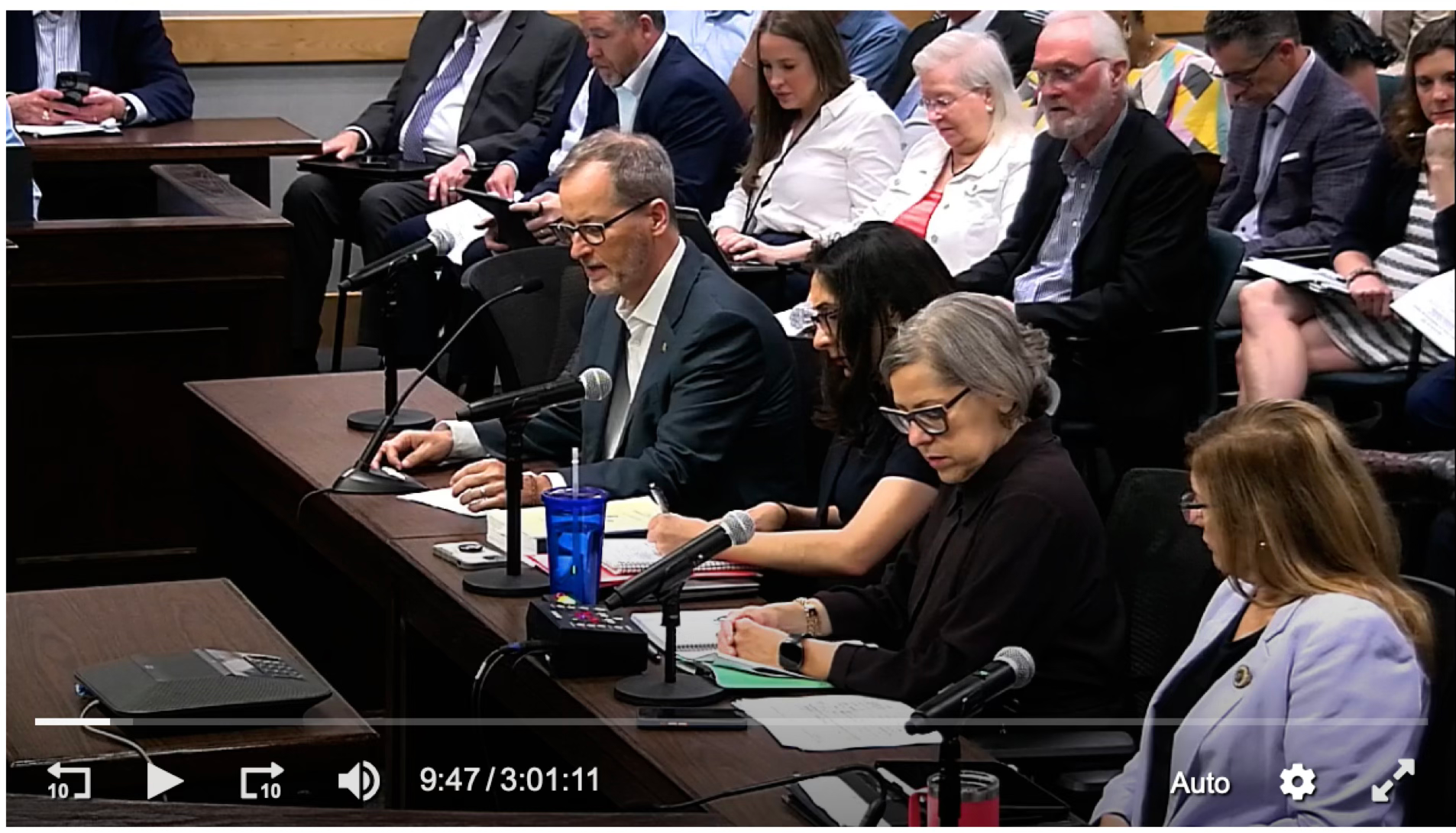
Thank you, commissioners, for allowing me to address you today.
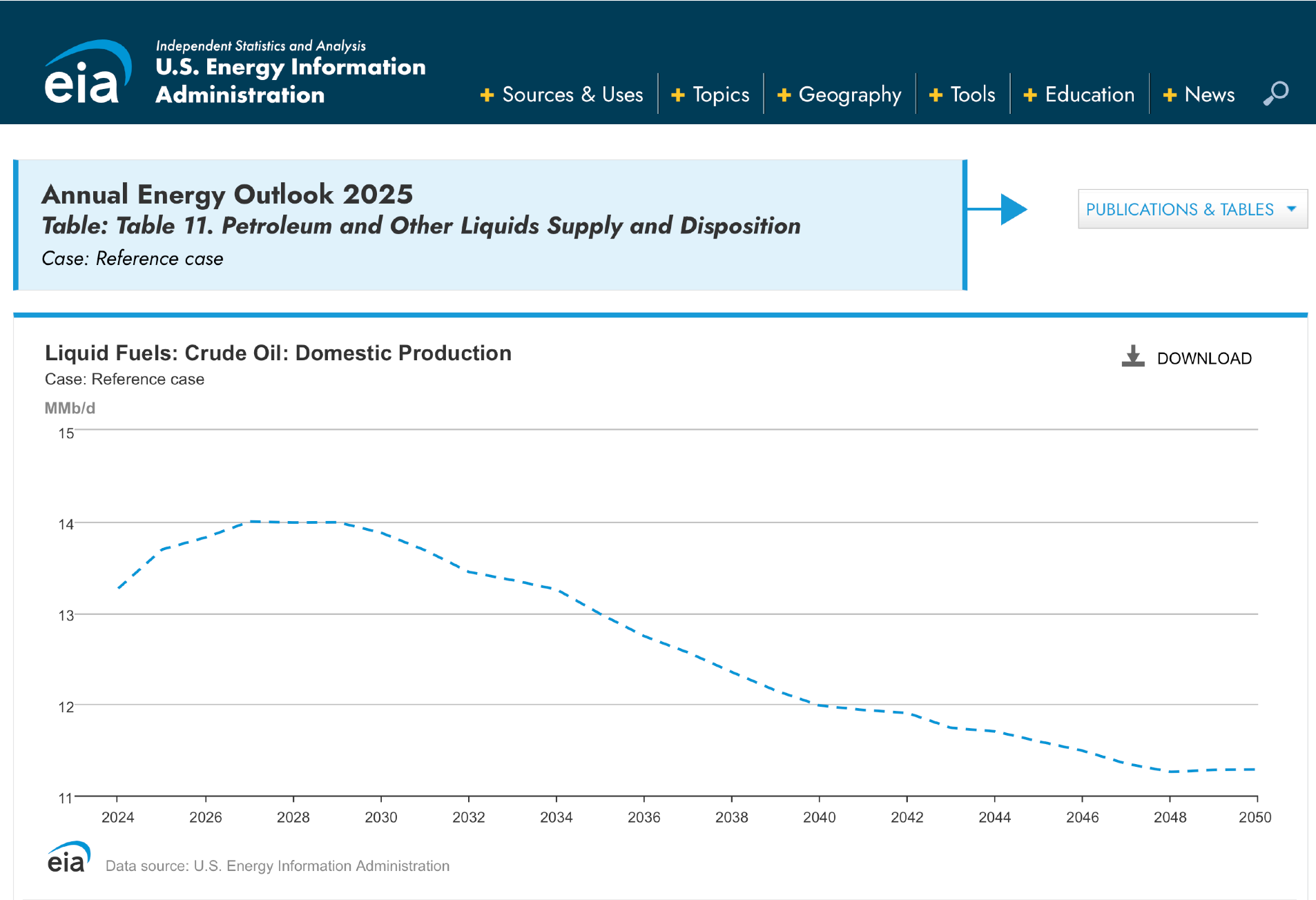
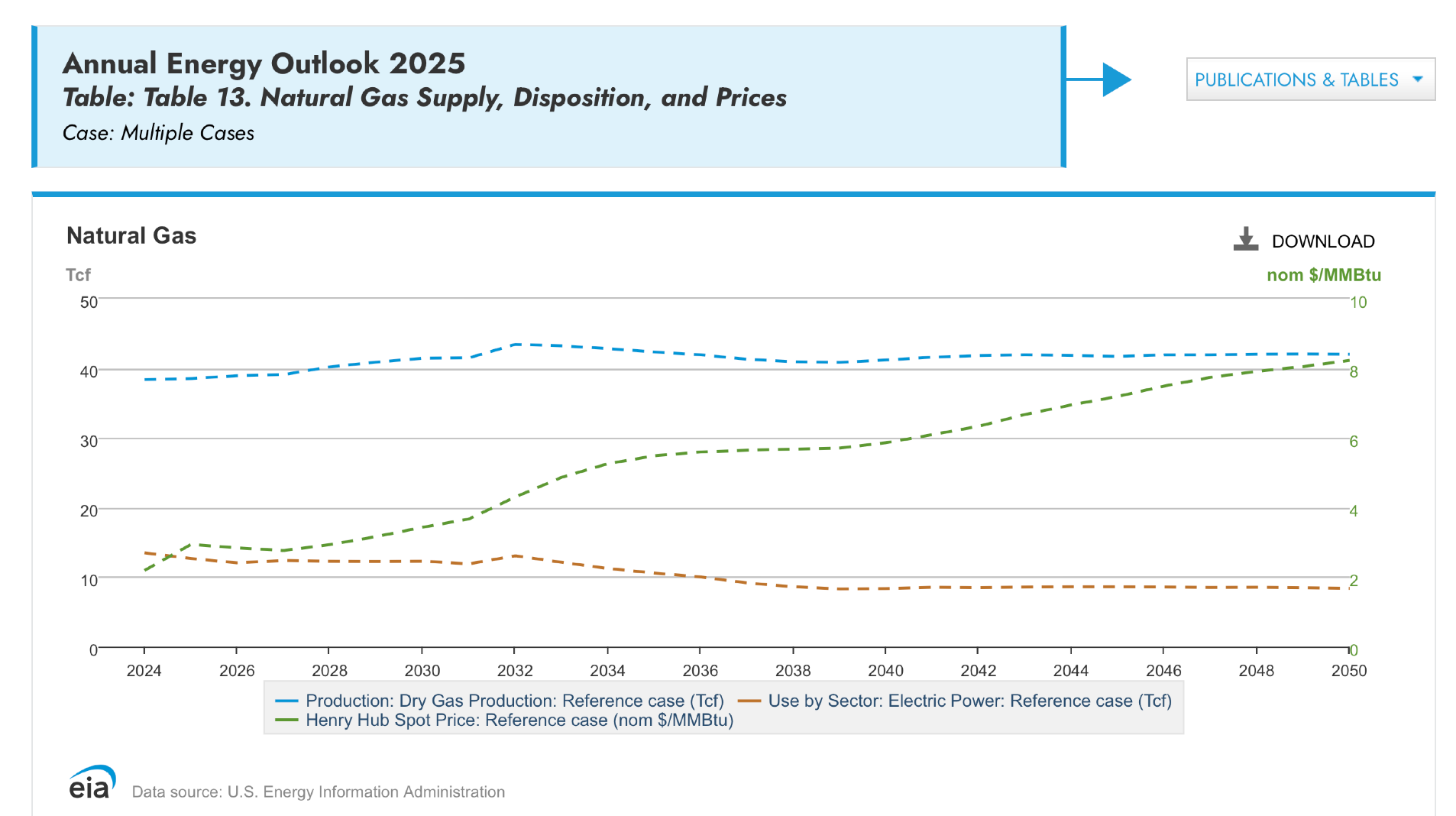
The latest copy of the Annual Energy Outlook shows a peak in US domestic oil production next year followed by a decline in subsequent years. On the natural gas side, AEO2025 shows steady production, but it shows a declining use of natural gas for electricity to offset the increased liquified natural gas exports. That runs counter to the present effort to build natural gas power plants for growth in data centers.
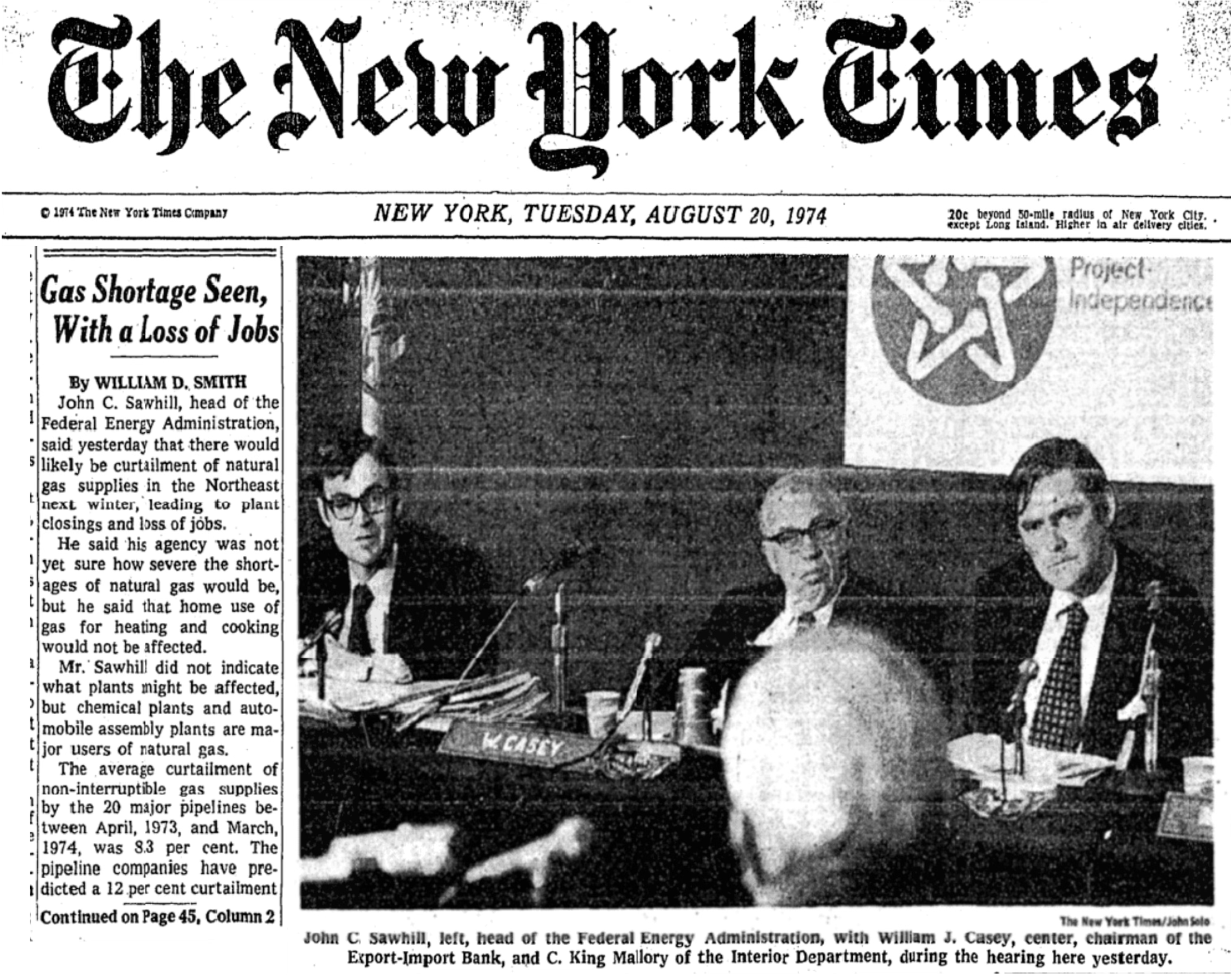
My view is that AEO2025 underestimates electrical consumption and that eventually the decline in US domestic oil production will be followed by a plateau and decline in natural gas production. We saw this when the oil peak in 1970 was followed 1974 by a shortage of almost 2 trillion cubic feet in 1974.
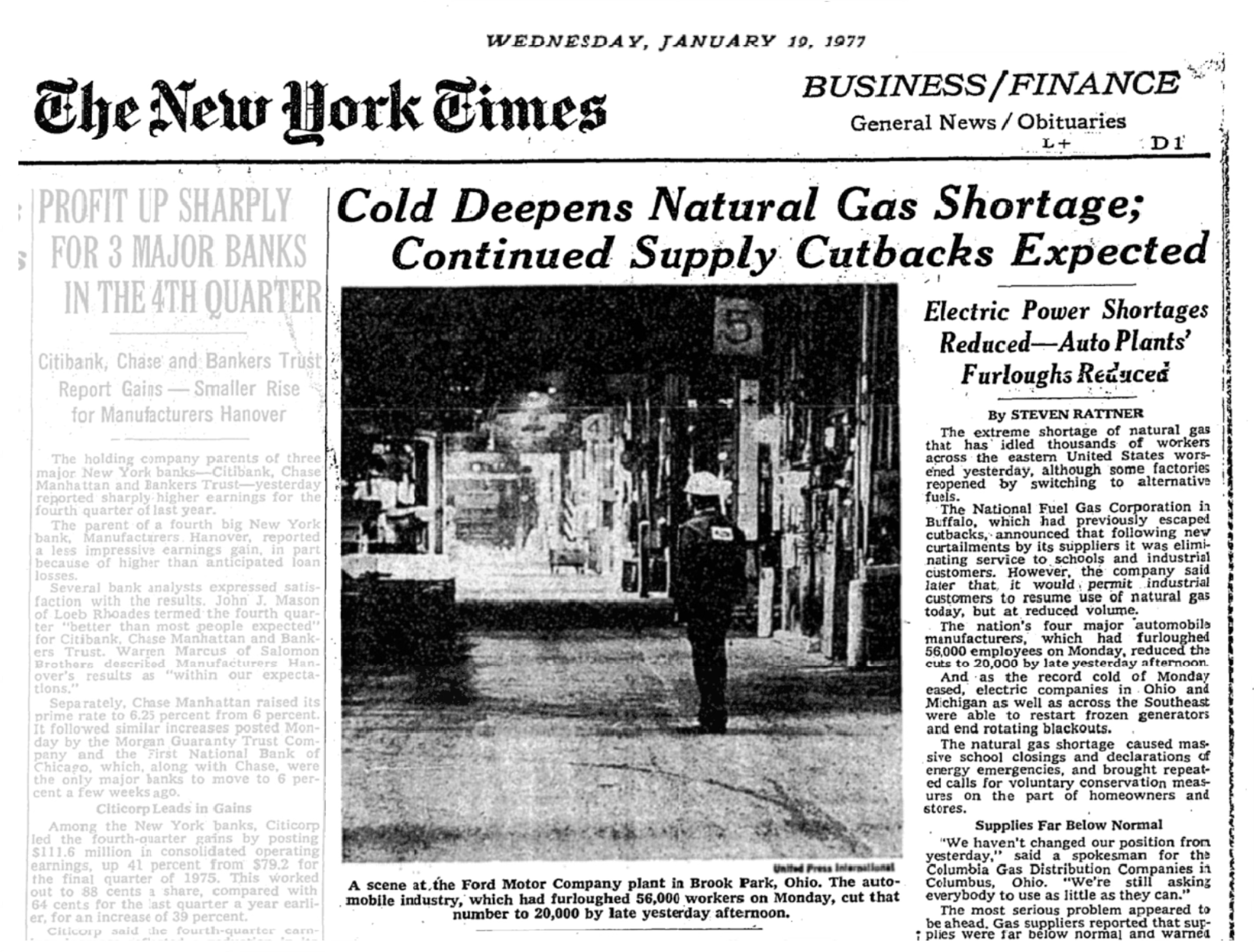
Following 1974, the United States built less natural gas power plants and more coal fired power plants and nuclear power plants.
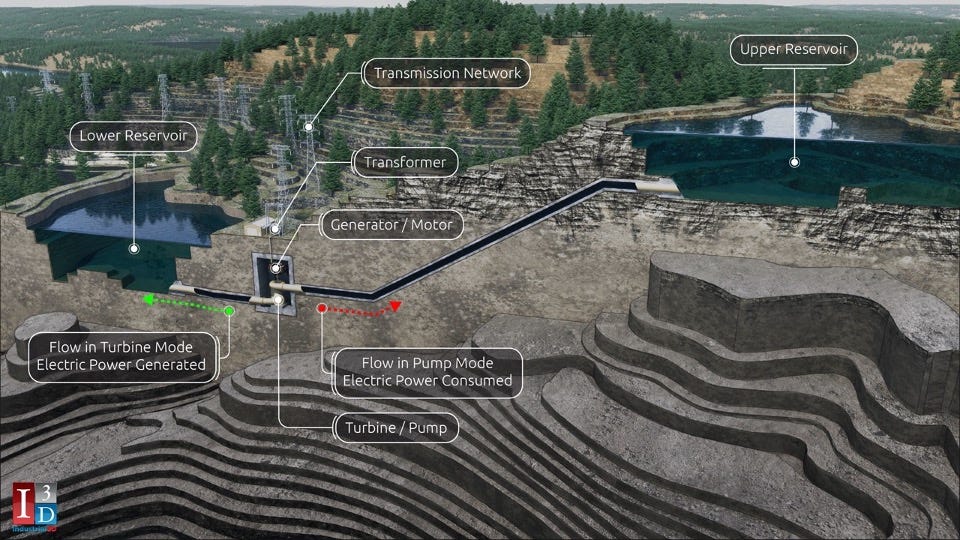
We also built 23 gigawatts of pumped storage hydroelectric that could store over 500 gigawatt-hours of electricity to match nuclears steady output with consumer demand.
But that was then, and today there are no nuclear power plants or pumped storage facilities in construction.
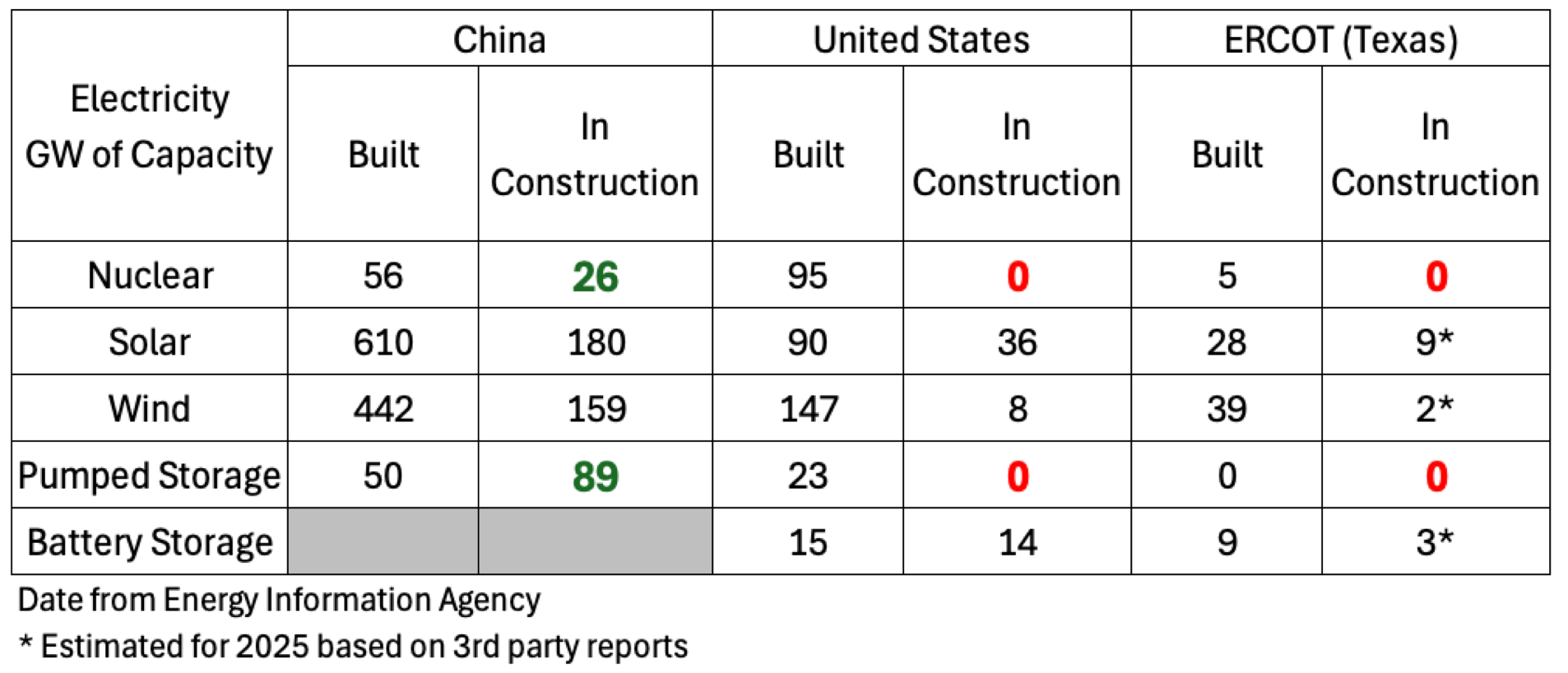
Let’s consider our geo-economic rival China. While we talk about China’s coal power plants, China in the last twenty years has built 50 gigawatts of pumped storage and has another 89 gigawatts in construction. Long duration energy storage will allow them to reliably integrate their renewables.
It is time for Texas to think along the same lines.
First, we need to stop thinking about energy storage as a power plant. We understand that transmission lines move electricity over distance and are a cost that the entire grid needs to support. It is now time to think of energy storage as a means of moving electricity in time.
And that means that wind and solar need to support the storage that their continued expansion is going to require.
What I propose is that solar and wind should be charged a $/MWh fee that would fund a storage payment for every megawatt-hour provided to the grid by storage. The storage providers would still collect arbitrage in addition to the storage payment.
Studies show that more storage provides higher reliability and more price stability. But it comes at the cost of less arbitrage for the storage providers.
In 2023 we had very high price volatility and batteries made a lot of money. But 2024 saw a lot more batteries and cheap natural gas prices. The result was that the arbitrage values were almost half of what they were for 2023.
2025 is shaping up with much higher natural gas prices, but arbitrage values are down compared with last year. And that is the larger volume of batteries that we have added to the grid.
And that is why we need that storage charge.
We will need more batteries in the future. We will need long duration energy storage.
We will not get those until we can show investors a stable and bankable market for energy storage.
The other thing to do is to change the Texas Energy Fund so that nuclear and long duration energy storage can be funded as well as natural gas power plants.
We need to realize that in 1974, Texas regulators and legislators were caught by surprise by natural gas shortages. We still had lots of reserves, we were still producing, but we could no longer meet the increasing demands.
In four years, LNG export capacity will double, and a massive amount of natural gas power plants will come online due to data centers. I can assure you that no one who is actually drilling gas wells has a clue how we will meet that demand.
It’s time for Texas to take a long look at our future and realize that it has to include more storage.